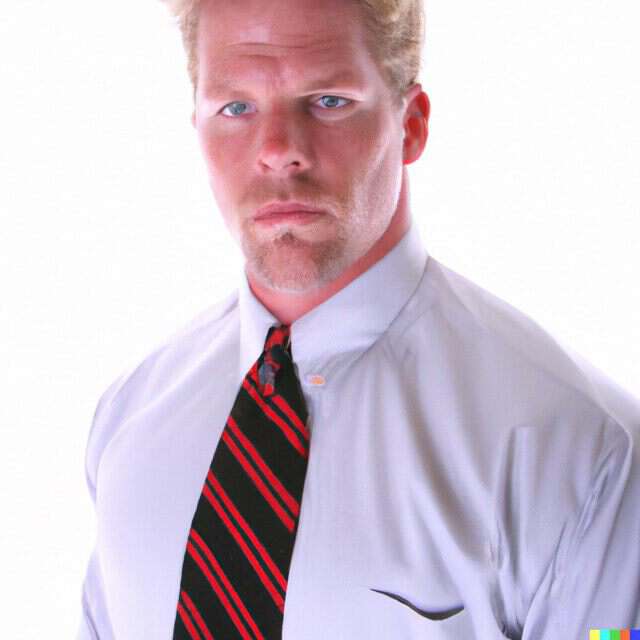
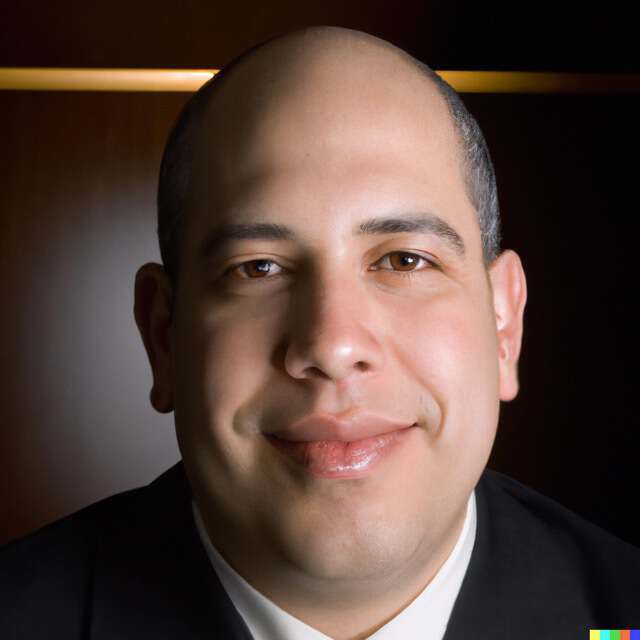
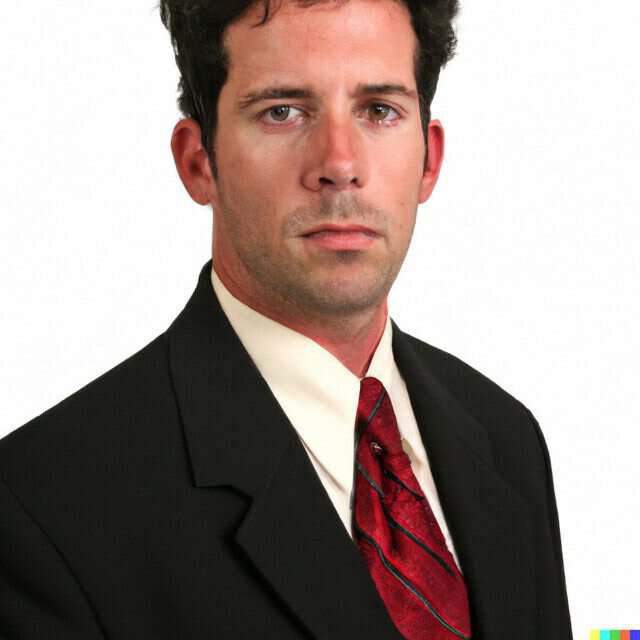
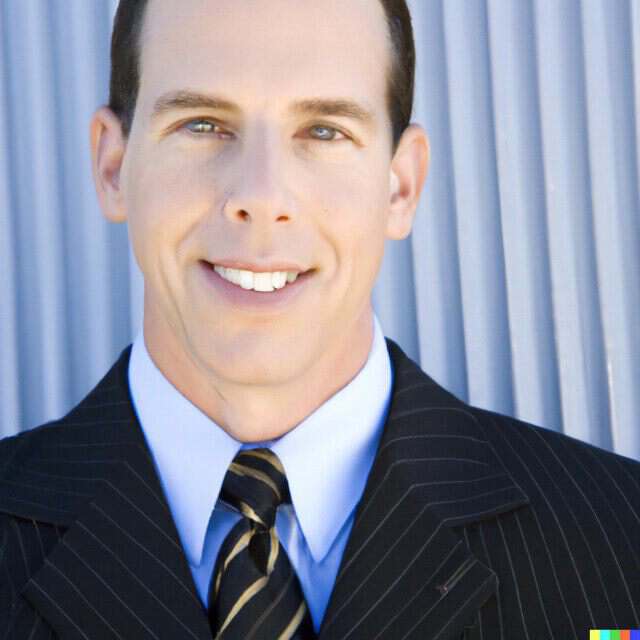
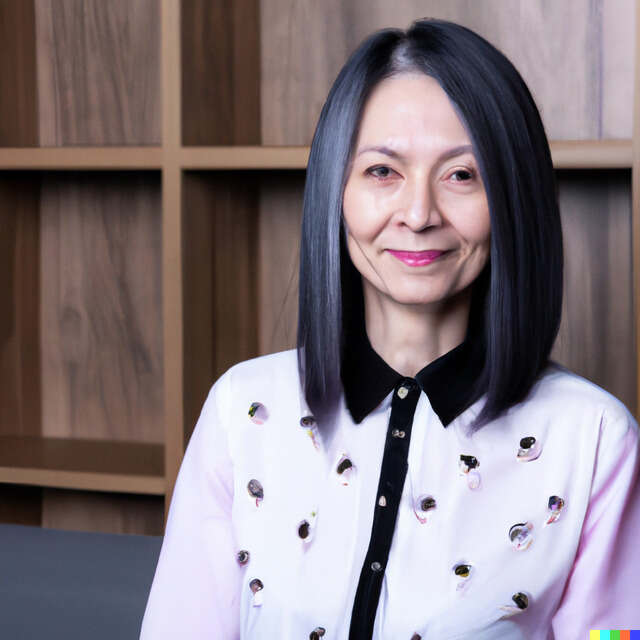
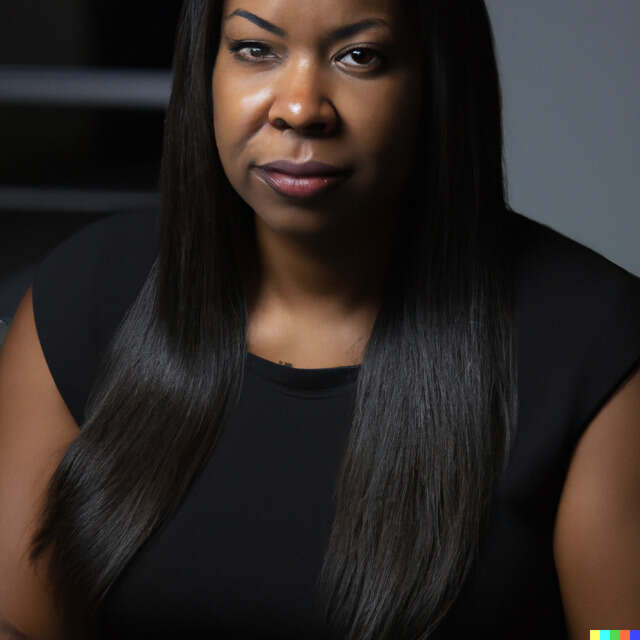
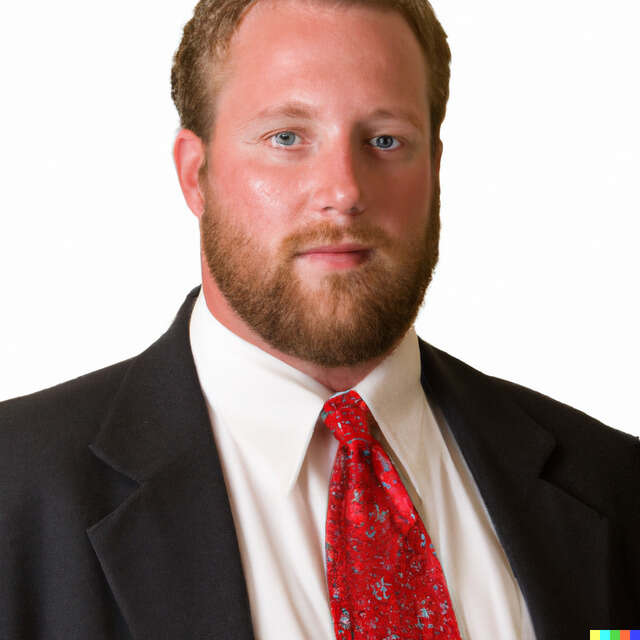
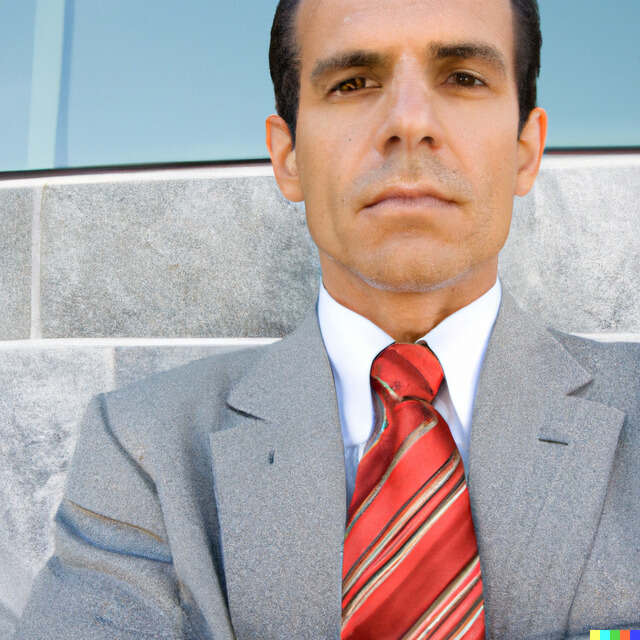
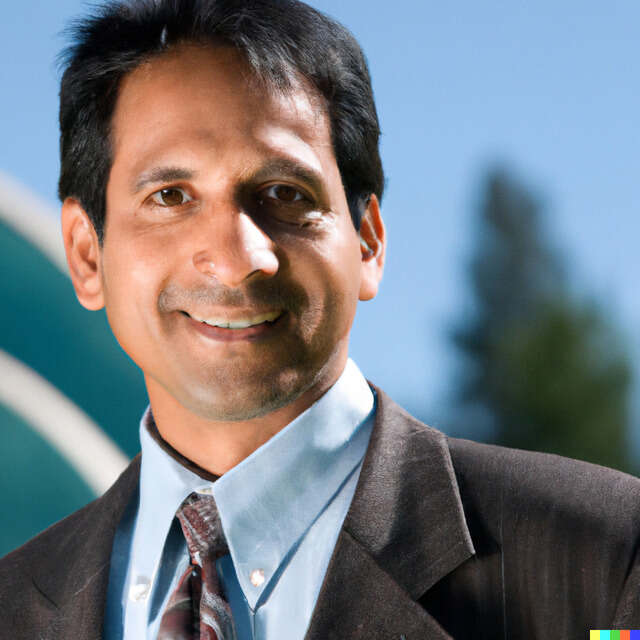
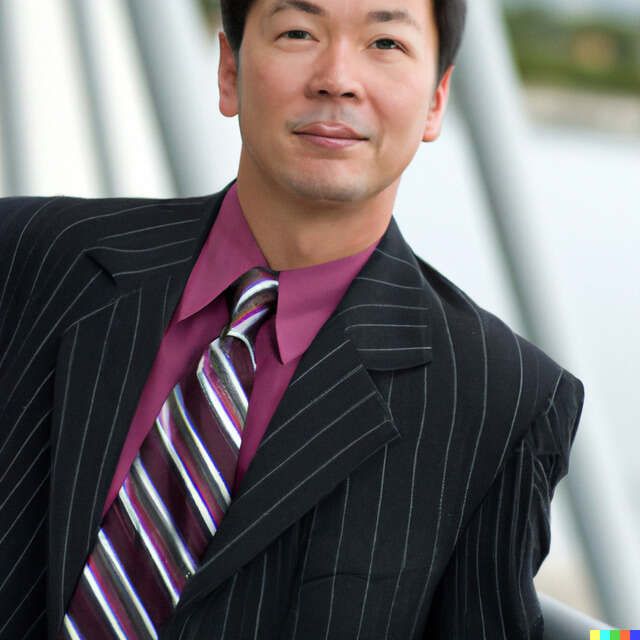
Today, we are implementing a new technique so that DALL·E generates images of people that more accurately reflect the diversity of the world’s population. This technique is applied at the system level when DALL·E is given a prompt describing a person that does not specify race or gender, like “firefighter.”
Based on our internal evaluation, users were 12× more likely to say that DALL·E images included people of diverse backgrounds after the technique was applied. We plan to improve this technique over time as we gather more data and feedback.
A photo of a CEO
Generate
Before mitigation
After mitigation
In April, we started previewing the DALL·E 2 research to a limited number of people, which has allowed us to better understand the system’s capabilities and limitations and improve our safety systems.
During this preview phase, early users have flagged sensitive and biased images which have helped inform and evaluate this new mitigation.
We are continuing to research how AI systems, like DALL·E, might reflect biases in its training data and different ways we can address them.
During the research preview we have taken other steps to improve our safety systems, including:
Minimizing the risk of DALL·E being misused to create deceptive content by rejecting image uploads containing realistic faces and attempts to create the likeness of public figures, including celebrities and prominent political figures.
Making our content filters more accurate so that they are more effective at blocking prompts and image uploads that violate our content policy while still allowing creative expression.
Refining automated and human monitoring systems to guard against misuse.
These improvements have helped us gain confidence in the ability to invite more users to experience DALL·E.
Expanding access is an important part of our deploying AI systems responsibly because it allows us to learn more about real-world use and continue to iterate on our safety systems.
As part of our DALL·E 2 research preview, more than 3,000 artists from more than 118 countries have incorporated DALL·E into their creative workflows. The artists in our early access group have helped us discover new uses for DALL·E and have served as key voices as we’ve made decisions about DALL·E’s features.
Creative professionals using DALL·E today range from illustrators, AR designers, and authors to chefs, landscape architects, tattoo artists, and clothing designers, to directors, sound designers, dancers, and much more. The list expands every day.
Below are just a few examples of how artists are making use of this new technology:
The Orrigos
James and his wife Kristin Orrigo created the Big Dreams Virtual Tour which focuses on creating special memories and a positive distraction for pediatric cancer patients around the world. The Orrigos have worked in top children's hospitals around the country and now virtually meet up with families, bringing children’s ideas to life through personalized cartoons, music videos, and mobility friendly video games. Orrigo says children and teens light up when they see their DALL·E-generated creations, and they are ready to be the star of a story brought to life from their imaginations.
Most recently, Orrigo and his team have been working with a young cancer survivor named Gianna to create a music video featuring herself as Wonder Woman fighting her enemy — the cancer cells.
“We didn't know what an osteosarcoma villain would look like so we turned to DALL·E as our creative outlet. DALL·E gave us a huge amount of inspiration,” Orrigo said. “Unfortunately, Gianna knows this battle all too well. But we are celebrating her victory by bringing her cartoon music video to real life to spread awareness about pediatric cancer and to give Gianna an unforgettable memory.”
In a project conceived by Austrian artist Stefan Kutzenberger and Clara Blume, Head of the Open Austria Art + Tech Lab in San Francisco, DALL·E was used to bring the poetry of revolutionary painter Egon Schiele into the visual world. Schiele died at 28, but Kutzenberger — a curator at the Leopold Museum in Vienna, which houses the world’s largest collection of Schiele’s works — believes that DALL·E gives the world a glimpse of what Schiele’s later work might have been like if he had had a chance to keep painting. The DALL·E works will be exhibited alongside Schiele’s collection in the Leopold Museum in the coming months.
"A painting of tall trees walking along a road, with chirping and trembling birds in front of a white sky in them in the style of Austrian expressionist Egon Schiele"
"Lakeshore Without Sun, 1913 in the expressionist style of Egon Schiele"
Karen X Cheng
Karen X Cheng, a director known for sharing her creative experiments on Instagram, created the latest cover of Cosmopolitan Magazine using DALL·E. In her post unveiling the process, Karen compared working with DALL·E to a musician playing an instrument.
“Like any musical instrument, you get better with practice…and knowing what words to use to communicate? That's a community effort — it's come from the past few months of me talking to other DALL·E artists on Twitter / Discord / DM. I learned from other artists that you could ask for specific camera angles. Lens types. Lighting conditions. We're all figuring it out together, how to play this beautiful new instrument.”
Israeli chef and MasterChef winner Tom Aviv is debuting his first U.S. restaurant in Miami in a few months and has used DALL·E for menu, decor, and ambiance inspiration — and his team have also used DALL·E to in designing the way they plate dishes.
It was Tom’s sister and business partner Kim’s idea to run a family recipe for chocolate mousse through DALL·E.
“It’s called Picasso chocolate mousse, and it’s a tribute to my parents,” she explained. “DALL·E elevates it to another level — it is just phenomenal. It changed the dish from your usual chocolate mousse to something that does service to the name and to our parents. It blew our minds.”
XR creator Don Allen Stevenson III has used DALL·E to paint physical paintings, design wearable sneakers, and create characters to transform into 3D renders for AR filters. “It feels like having a genie in a bottle that I can collaborate with,” he said.
Stevenson’s real passion is education — specifically making technology accessible to more people. He hosts a weekly Instagram Live teaching people about DALL·E and other tools for creative innovation.
“Digital tools freed me up to have a life that I am proud of and love,” Stevenson says. “I want to help other people to see creative technology like DALL·E the way that I see it — so they can become free as well.”
Danielle Baskin, a multimedia artist, says she plans to incorporate DALL·E generations across a number of different art forms: product design, illustration, theater, and alternative realities.
“It’s a mood board, vibe generator, illustrator, art curator, and museum docent,” Baskin says. “It’s an infinite museum where I can choose which private collections I want to visit. Sometimes I need to repair the private collections (tweak my prompt writing). Sometimes the collection isn’t quite there. But sometimes the docent (DALL·E 2) shows me a surprising new collection I didn’t know existed.”
August Kamp, a multimedia artist and musician, says she views DALL·E as a sort of imagination interpreter.
“Conceptualizing one’s ideas is one of the most gatekept processes in the modern world,” Kamp says. “Everyone has ideas — not everyone has access to training or encouragement enough to confidently render them. I feel empowered by the ability to creatively iterate on a feeling or idea, and I deeply believe that all people deserve that sense of empowerment.
Chad Nelson has been using DALL·E to create highly detailed creatures — and he’s made more than 100 of them.
“I had a vision for a cast of charming woodland critters, each oozing with personality and emotional nuance,” Nelson said. His characters range from “a red furry monster looks in wonder at a burning candle” to “a striped hairy monster shakes its hips dancing underneath a disco ball” — each crafted to capture the most human thing of all — feelings.
“DALL·E is the most advanced paint brush I’ve ever used,” Nelson says. “As mind-blowing and amazing as DALL·E is, like the paint brush, it too must be guided by the artist. It still needs that creative spark, that lightbulb in the mind to innovate — to create that something from nothing.”
At the Marketing AI Institute, we read dozens of articles on artificial intelligence every week to uncover the most valuable ones for our subscribers and we curate them for you here. We call it 3 Links in 3 Minutes. Enjoy!
from Marketing AI Institute | Blog https://ift.tt/0PaCmW8
via IFTTT
As part of the AI Academy for Marketers membership, we offer monthly Ask Me Anything (AMA) coaching sessions with leading industry experts. We chat about everything from technology trends, use cases, lessons learned, to much more.
from Marketing AI Institute | Blog https://ift.tt/Bd0QhGj
via IFTTT
Editor’s Note: This is a sponsored blog post from Marketing AI Institute partner Pattern89.
It’s safe to say that almost everything has felt unexpected this year.
But despite how 2020 has turned out, can marketers still depend on tried-and-true campaigns and communications? Or rather, are there ways we can lean into new tech, like artificial intelligence, to get a better handle on our unprecedented world?
Thanks to artificial intelligence, we can predict what’s in store for digital advertising. And we can do that right now!
Data science is the linchpin in today’s marketing world. Luckily, teams can use a combination of data science, artificial intelligence and human creativity to predict creative performance for their digital ads. Despite the craziness 2020 throws our way, marketers can still predict what images, colors, facial expressions, and more will deliver the best outcomes for their campaigns, advertising and social channels.
In Pattern89’s Q4 2020 Creative Forecast, artificial intelligence predicts which image assets will perform the best for digital marketers. Check out its trend predictions below, and download the full report for a more in-depth look at what creative will be trending tomorrow.
from Marketing AI Institute | Blog https://ift.tt/wFeuQUJ
via IFTTT
How do you get started with marketing artificial intelligence?
The short answer is quick-win pilot projects with narrowly defined use cases and high probabilities of success. That’s how you build executive support for the longer term vision and transformation.
from Marketing AI Institute | Blog https://ift.tt/Wb6PCDT
via IFTTT