Best Practices for Deploying Language Models

Best Practices for Deploying Language Models

Cohere, OpenAI, and AI21 Labs have developed a preliminary set of best practices applicable to any organization developing or deploying large language models. Computers that can read and write are here, and they have the potential to fundamentally impact daily life. The future of human–machine interaction is full of possibility and promise, but any powerful technology needs careful deployment.

The joint statement below represents a step towards building a community to address the global challenges presented by AI progress, and we encourage other organizations who would like to participate to get in touch.

Joint Recommendation for Language Model Deployment

We’re recommending several key principles to help providers of large language models (LLMs) mitigate the risks of this technology in order to achieve its full promise to augment human capabilities.

While these principles were developed specifically based on our experience with providing LLMs through an API, we hope they will be useful regardless of release strategy (such as open-sourcing or use within a company). We expect these recommendations to change significantly over time because the commercial uses of LLMs and accompanying safety considerations are new and evolving. We are actively learning about and addressing LLM limitations and avenues for misuse, and will update these principles and practices in collaboration with the broader community over time.

We’re sharing these principles in hopes that other LLM providers may learn from and adopt them, and to advance public discussion on LLM development and deployment.

Prohibit misuse


Publish usage guidelines and terms of use of LLMs in a way that prohibits material harm to individuals, communities, and society such as through spam, fraud, or astroturfing. Usage guidelines should also specify domains where LLM use requires extra scrutiny and prohibit high-risk use-cases that aren’t appropriate, such as classifying people based on protected characteristics.


Build systems and infrastructure to enforce usage guidelines. This may include rate limits, content filtering, application approval prior to production access, monitoring for anomalous activity, and other mitigations.

Mitigate unintentional harm


Proactively mitigate harmful model behavior. Best practices include comprehensive model evaluation to properly assess limitations, minimizing potential sources of bias in training corpora, and techniques to minimize unsafe behavior such as through learning from human feedback.


Document known weaknesses and vulnerabilities, such as bias or ability to produce insecure code, as in some cases no degree of preventative action can completely eliminate the potential for unintended harm. Documentation should also include model and use-case-specific safety best practices.

Thoughtfully collaborate with stakeholders


Build teams with diverse backgrounds and solicit broad input. Diverse perspectives are needed to characterize and address how language models will operate in the diversity of the real world, where if unchecked they may reinforce biases or fail to work for some groups.


Publicly disclose lessons learned regarding LLM safety and misuse in order to enable widespread adoption and help with cross-industry iteration on best practices.


Treat all labor in the language model supply chain with respect. For example, providers should have high standards for the working conditions of those reviewing model outputs in-house and hold vendors to well-specified standards (e.g., ensuring labelers are able to opt out of a given task).

As LLM providers, publishing these principles represents a first step in collaboratively guiding safer large language model development and deployment. We are excited to continue working with each other and with other parties to identify other opportunities to reduce unintentional harms from and prevent malicious use of language models.

Download as PDF

Support from other organizations

“While LLMs hold a lot of promise, they have significant inherent safety issues which need to be worked on. These best practices serve as an important step in minimizing the harms of these models and maximizing their potential benefits.”

—Anthropic

“As large language models (LLMs) have become increasingly powerful and expressive, risk mitigation becomes increasingly important. We welcome these and other efforts to proactively seek to mitigate harms and highlight to users areas requiring extra diligence. The principles outlined here are an important contribution to the global conversation.”

—John Bansemer, Director of the CyberAI Project and Senior Fellow, Center for Security and Emerging Technology (CSET)

“Google affirms the importance of comprehensive strategies in analyzing model and training data to mitigate the risks of harm, bias, and misrepresentation. It is a thoughtful step taken by these AI providers to promote the principles and documentation towards AI safety.”

—Google Cloud Platform (GCP)

“The safety of foundation models, such as large language models, is a growing social concern. We commend Cohere, OpenAI, and AI21 Labs for taking a first step to outline high-level principles for responsible development and deployment from the perspective of model developers. There is still much work to be done, and we believe it is essential to engage more voices from academia, industry, and civil society to develop more detailed principles and community norms. As we state in our recent blog post, it is not just the end result but the legitimacy of the process that matters.”

—Percy Liang, Director of the Stanford Center for Research on Foundation Models (CRFM)

Get involved

If you’re developing language models or are working to mitigate their risks, we’d love to talk with you. Please reach out at bestpractices@openai.com.

source https://openai.com/blog/best-practices-for-deploying-language-models/

Powering Next Generation Applications with OpenAI Codex


Powering Next Generation Applications with OpenAI Codex

OpenAI Codex, a natural language-to-code system based on GPT-3, helps turn simple English instructions into over a dozen popular coding languages. Codex was released last August through our API and is the principal building block of GitHub Copilot.

Our motivation behind Codex is to supplement developers’ work and increase productivity. Codex helps computers to better understand people’s intent, which enables everyone to do more with computers. This is an integral part of our mission to build general-purpose AI that benefits all of humanity.

For enterprise customers, Microsoft’s Azure OpenAI Service provides developers with access to Codex and our other models, like GPT-3 and embeddings, along with enterprise-grade capabilities that are built into Microsoft Azure. At its Build conference today, Microsoft announced that Azure OpenAI Service—previously available by invitation only—is now available in a limited access preview. We’re already seeing new applications of Azure OpenAI Service across many industry verticals, from healthcare to financial services.

Applications and Industries

Since its release via our API, we’ve been working closely with developers to build on top of Codex. These applications utilize the system’s capabilities in a variety of categories including creativity, learning, productivity and problem solving.

Applications using Codex:

Powering Next Generation Applications with OpenAI Codex

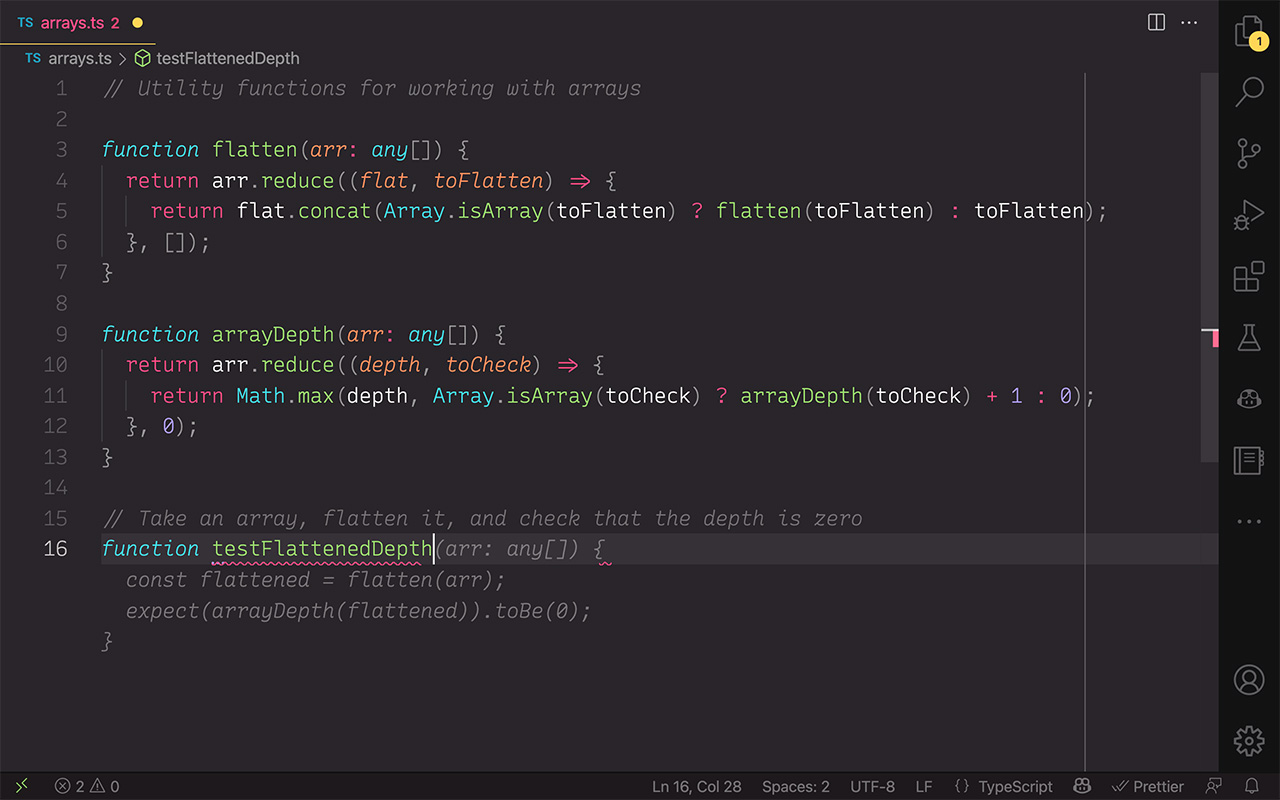
GitHub Copilot is an AI pair programmer that provides suggestions for whole lines or entire functions right inside the code editor.

Through tight integration with Codex, GitHub Copilot can convert comments to code, autofill repetitive code, suggest tests and show alternatives.

Available for Visual Studio and Visual Studio Code, among other environments, GitHub Copilot works with a broad set of frameworks and languages, and for some programming languages suggests approximately 35% of the code generated by tens of thousands of developers who use it today.

Microsoft announced at its Build developer conference that GitHub Copilot will move to general availability this summer.

Powering Next Generation Applications with OpenAI Codex

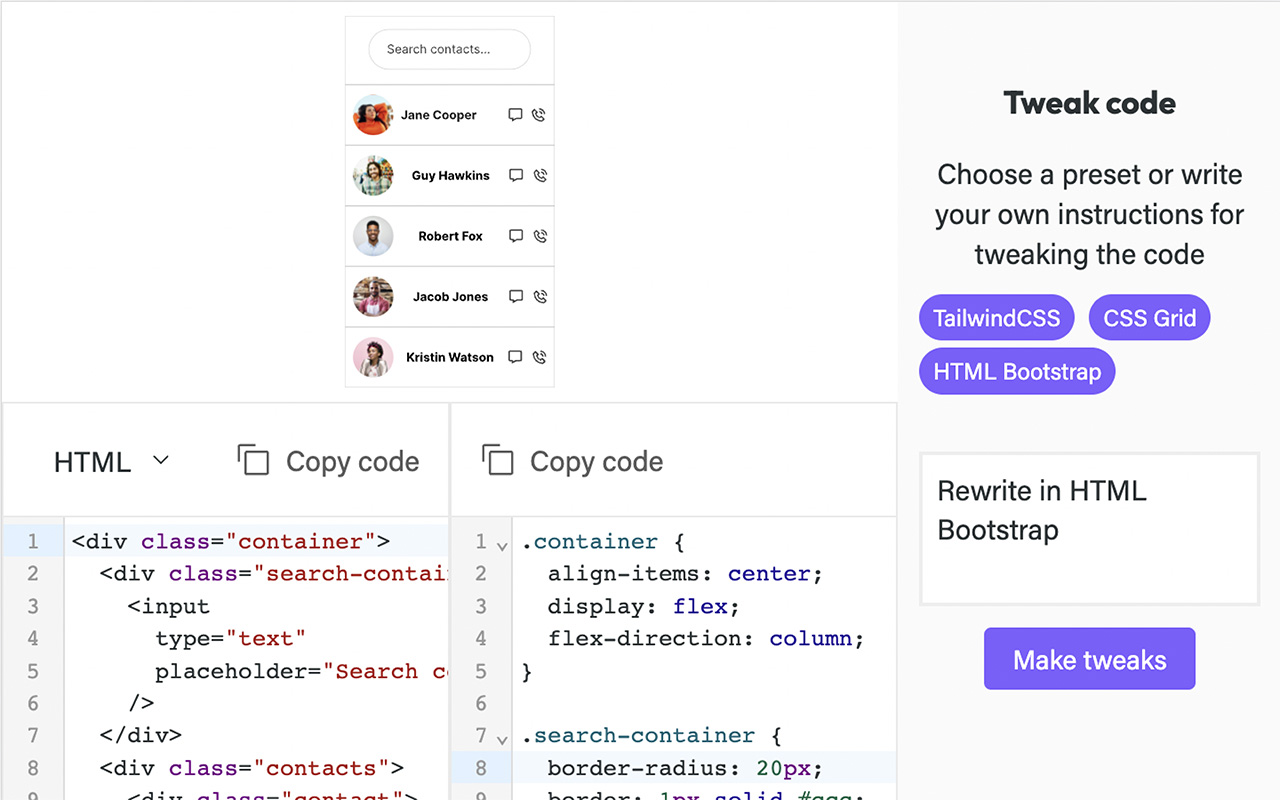
Pygma aims to turn Figma designs into high-quality code.

Pygma utilizes Codex to turn Figma designs into different frontend frameworks and match the coding style and preferences of the developer. Codex enables Pygma to help developers do tasks instantly that previously could have taken hours.

“Codex has allowed me to integrate innovative features into my app with very little coding. As someone without a strong machine learning background, certain features like flexible code-tweaking would be incredibly difficult to build in-house. With Codex, it works almost out of the box.”

—Emile Paffard-Wray, Founder, Pygma

Powering Next Generation Applications with OpenAI Codex

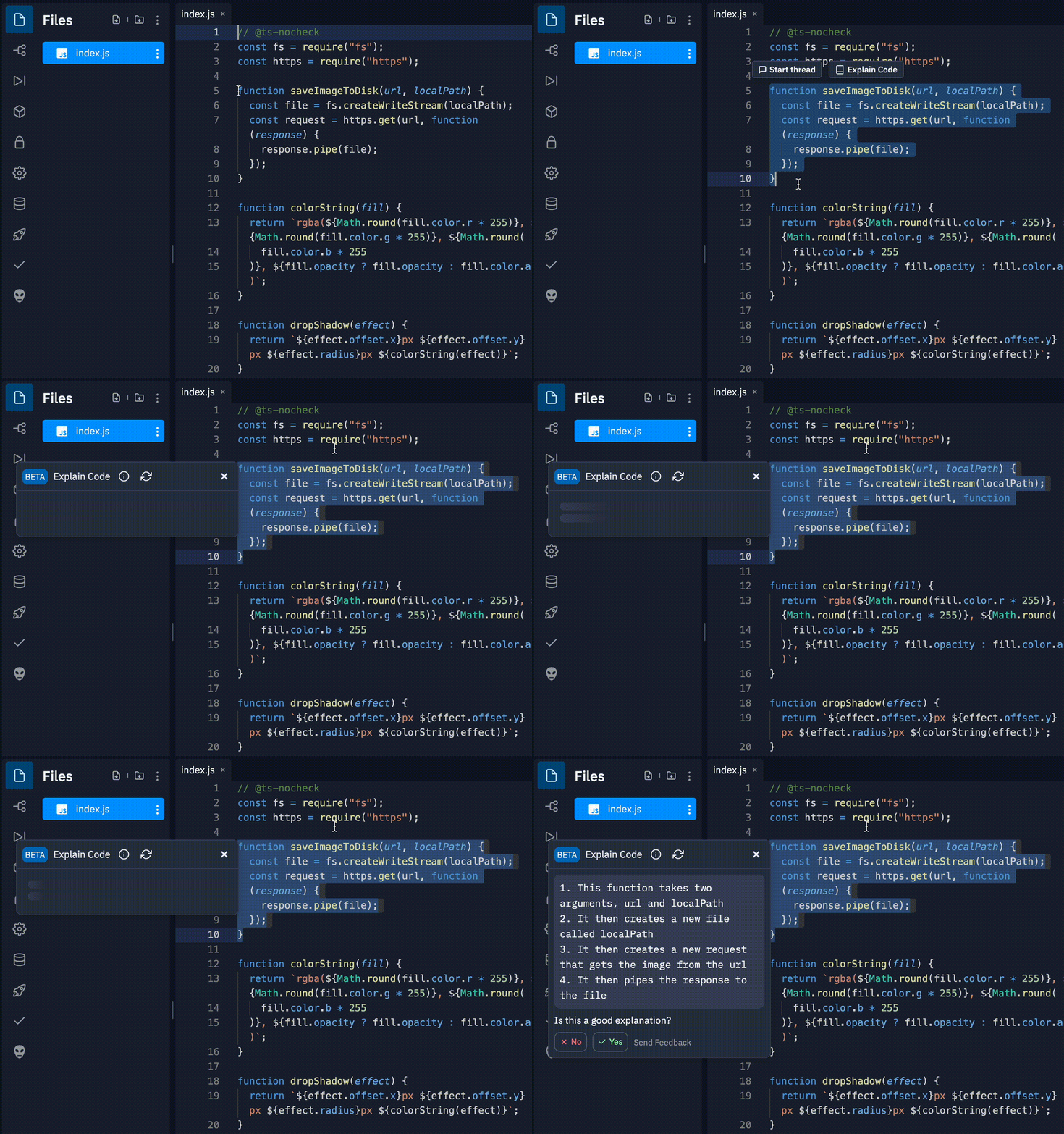
Replit is a programming platform for any programming language that lets users collaborate live on projects, learn about code and share work with a community of learners and builders.

Replit leverages Codex to describe what a selection of code is doing in simple language so everyone can get quality explanation and learning tools. Users can highlight selections of code and click “Explain Code” to use Codex to understand its functionality.

“Codex helps learning on Replit better understand code they encounter. We’ve only scratched the surface of what semantic code understanding can offer those who want to get from idea to working code quickly.”

—Amjad Masad, Founder, Replit

Powering Next Generation Applications with OpenAI Codex

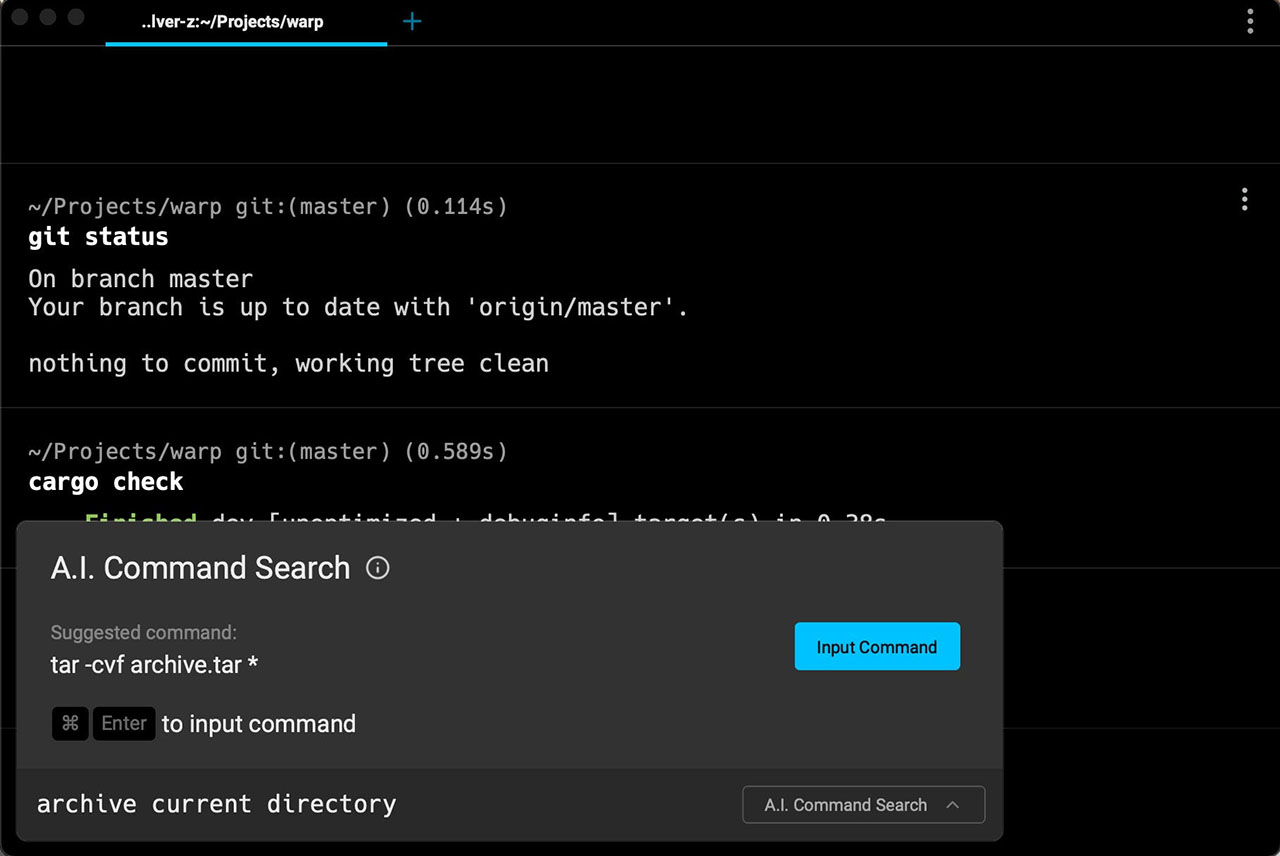
Warp is a Rust-based terminal, reimagined from the ground up to help both individuals and teams be more productive in the command-line.

Terminal commands are typically difficult to remember, find and construct. Users often have to leave the terminal and search the web for answers and even then the results might not give them the right command to execute. Warp uses Codex to allow users to run a natural language command to search directly from within the terminal and get a result they can immediately use.

“Codex allows Warp to make the terminal more accessible and powerful. Developers search for entire commands using natural language rather than trying to remember them or assemble them piecemeal. Codex-powered command search has become one of our game changing features.

—Zach Lloyd, Founder, Warp

Powering Next Generation Applications with OpenAI Codex

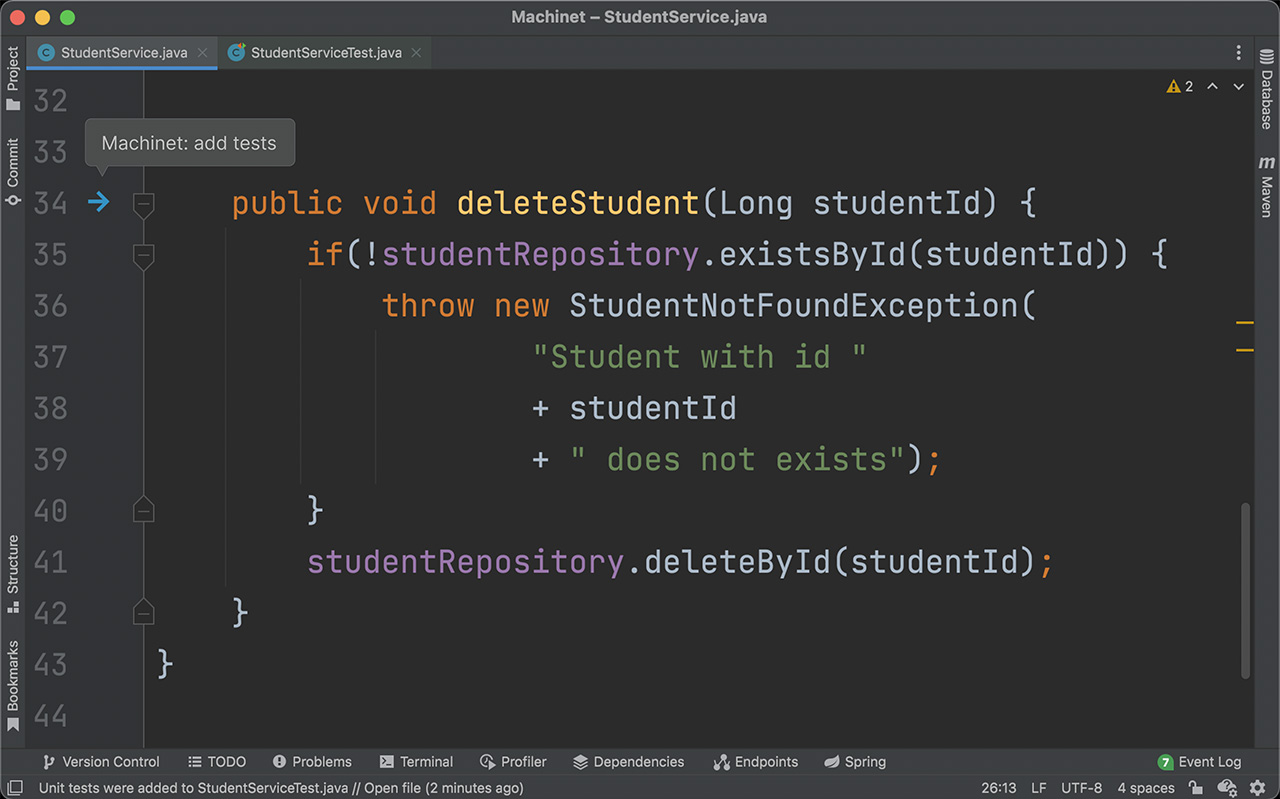
Machinet helps professional Java developers write quality code by using Codex to generate intelligent unit test templates.

Machinet was able to accelerate their development several-fold by switching from building their own machine learning systems to using Codex. The flexibility of Codex allows for the ability to easily add new features and capabilities saving their users time and helping them be more productive.

“Codex is an amazing tool in our arsenal. Not only does it allow us to generate more meaningful code, but it has also helped us find a new design of product architecture and got us out of a local maximum.”

—Vladislav Yanchenko, Founder, Machinet

source https://openai.com/blog/codex-apps/

DALL·E 2 Research Preview Update

DALL·E 2 Research Preview Update

Last month, we started previewing DALL·E 2 to a limited number of trusted users to learn about the technology’s capabilities and limitations.

Since then, we’ve been working with our users to actively incorporate the lessons we learn. As of today:

  • Our users have collectively created over 3 million images with DALL·E.
  • We’ve enhanced our safety system, improving the text filters and tuning the automated detection & response system for content policy violations.
  • Less than 0.05% of downloaded or publicly shared images were flagged as potentially violating our content policy. About 30% of those flagged images were confirmed by human reviewers to be policy violations, leading to an account deactivation.
  • As we work to understand and address the biases that DALL·E has inherited from its training data, we've asked early users not to share photorealistic generations that include faces and to flag problematic generations. We believe this has been effective in limiting potential harm, and we plan to continue the practice in the current phase.

Learning from real-world use is an important part of our commitment to develop and deploy AI responsibly, so we’re starting to widen access to users who joined our waitlist, slowly but steadily.

We intend to onboard up to 1,000 people every week as we iterate on our safety system and require all users to abide by our content policy. We hope to increase the rate at which we onboard new users as we learn more and gain confidence in our safety system. We’re inspired by what our users have created with DALL·E so far, and excited to see what new users will create.

source https://openai.com/blog/dall-e-2-update/

AI Marketing – Can You Predict The Success Of Your Next Campaign?

Editor’s Note: This post is republished with permission from MarketMuse.

Consumers are more active now than ever before. As our lives become more and more digitalised, the once passive consumer now has the freedom to order what they want, when they want. With ever-changing trends surfacing among social platforms and e-commerce booming higher than ever before on the back of the pandemic, vendor competition has never been more fierce.

from MAII https://ift.tt/rqhQSkl
via IFTTT

Taking Data on a (Customer) Journey

Editor’s Note: This content is sponsored by Marketing AI Institute partner AiAdvertising.

A sales funnel is one of the most helpful marketing concepts, turning the abstract customer journey into a concrete, highly digestible visual. Unfortunately, it can also be one of the most misleading.

from MAII https://ift.tt/F5nqdi3
via IFTTT

The Future of Business Is AI, or Obsolete

With each day that passes, and each advancement in artificial intelligence language and vision technology, it is becoming more apparent that there will be three types of businesses in every industry: AI Native, AI Emergent and Obsolete.

from MAII https://ift.tt/TaeJ3K9
via IFTTT